
Popular Tree Removal Products For Professional and DIY Projects
Discover the essential tools and gear that help you handle tree removal tasks with confidence and precision, regardless of experience level.
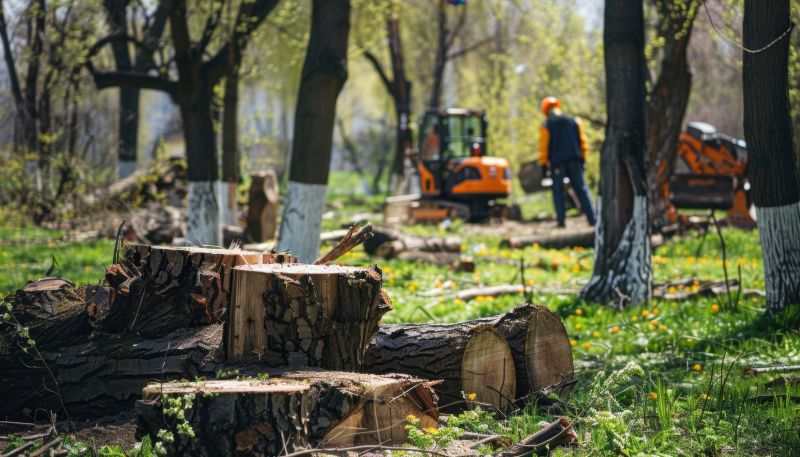 Tree removal is a task that often requires specialized equipment to ensure safety and efficiency. Whether dealing with hazardous limbs, dead or diseased trees, or clearing space for construction projects, having the right tools is essential. In Queen Creek, AZ, where the landscape includes a variety of native trees and vegetation, selecting appropriate products for tree removal can make the process safer and more manageable.
Top Overall Option
Heavy-Duty Pole Saw
A versatile pole saw with extendable reach and powerful cutting capabilities can facilitate the removal of high or hard-to-reach branches. Designed for safety and ease of use, it often features adjustable length, ergonomic controls, and a reliable cutting chain. This type of tool is suitable for both professional arborists and homeowners managing tree maintenance in Queen Creek, AZ.
Types of Products For Tree Removals
Chainsaws
Portable power tools with a rotating chain, ideal for cutting through trunks and large branches.
Pruning Saws
Manual saws designed for trimming and smaller branch removal, offering precision and control.
Pole Saws
Extendable saws that allow for reaching high branches safely without a ladder.
Hand Pruners
Compact tools for trimming small branches and foliage, suitable for detailed work.
Loppers
Long-handled pruners that provide leverage for cutting thicker branches.
Axe and Hatchet Sets
Tools for chopping and breaking down smaller wood pieces after removal.
Ropes and Slings
Used for securing and controlling falling branches or trees during removal.
Chainsaw Carving Tools
Specialized chainsaws for shaping and carving wood, useful in certain removal scenarios.
Safety Gear
Protective equipment including helmets, gloves, eye protection, and ear muffs for safe operation.
Stump Grinders
Machines designed to grind down tree stumps after removal.
Log Splitters
Equipment used to split large wood pieces into manageable sizes post-removal.
Tree Climbing Gear
Harnesses, spikes, and ropes for safe climbing and removal of large or hazardous trees.
Debris Chippers
Machines that convert branches and wood debris into mulch or chips for disposal or landscaping.
Transport and Dump Trailers
Heavy-duty trailers for hauling away removed tree material efficiently.
Winches and Pulley Systems
Assist in controlled lowering or removal of large sections of trees.
Popular Choices
Battery-powered chainsaws offering portability and ease of use for smaller jobs.
Lightweight saws for quick trimming and branch removal.
Tools that combine reach with manual cutting, ideal for high branches.
Reliable tools for chopping smaller wood and clearing brush.
Protective headgear with visors to ensure safety during cutting activities.
Setups for controlled lowering of large branches or sections.
Accessories for existing equipment to facilitate stump grinding.
High-powered saws suitable for larger or more demanding tree removal tasks.
Safety harnesses designed for arborists working at height.
Equipment for processing branches into mulch onsite.
Compact units for splitting wood on site after removal.
Heavy-duty ropes for securing and guiding falling branches.
Cordless tools with extendable reach for pruning high branches.
Sharpening kits, replacement chains, and safety attachments.
Tools for collecting and transporting wood debris efficiently.
Equipment that uses hydraulic force to remove stubborn stumps or small trees.
Different scenarios may call for different types of equipment, from manual hand tools to powered machinery. Proper planning and understanding of the tools available can help homeowners and professionals alike approach tree removal with confidence. Safety should always be the primary concern, emphasizing the importance of using tools designed for the task and following proper safety protocols.
When choosing products for tree removal, factors such as the size of the trees, the location of the removal site, and the user's experience level are critical considerations. For example, larger trees may require heavier-duty equipment, while smaller or more delicate jobs might be suited to lighter tools. Additionally, accessories like safety gear and accessories can enhance safety and efficiency during the process.
Investing in quality products can help ensure that tree removal tasks are completed effectively while minimizing risks. Whether you are a homeowner undertaking a small project or a professional arborist handling multiple removals, understanding the range of available tools and their appropriate applications can lead to better outcomes and safer work environments.
Key Buying Considerations
- Assess the size and type of trees you plan to remove to choose appropriate equipment.
- Consider the weight and portability of tools for ease of handling and transportation.
- Evaluate the power source—gas, electric, or battery—based on convenience and power needs.
- Prioritize safety features such as automatic chain brakes, safety guards, and ergonomic design.
- Check for compatibility of accessories and replacement parts to ensure long-term usability.
- Determine if additional safety gear like helmets, gloves, and eye protection is necessary.
- Review user experience levels; some tools require professional training for safe operation.
- Estimate the volume of debris and select appropriate chipping or hauling equipment.
- Consider noise levels, especially if working in residential areas or near neighbors.
- Evaluate budget constraints against the durability and features of the equipment.
- Look into warranty and customer support options for ongoing maintenance and repairs.
- Research local regulations or permits related to tree removal activities in Queen Creek, AZ.
- Think about environmental conditions, such as dust, heat, and terrain, that may impact tool choice.
- Plan for storage solutions for equipment and safety gear when not in use.
- Determine if rental or purchase is more practical based on the frequency of use.
This content contains affiliate links. We may earn a commission at no additional cost to you if you choose to purchase through these links.